
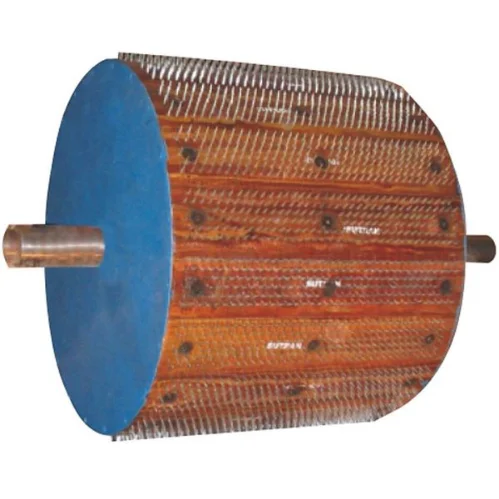
Spiked lags are vital fasteners and anchors that are extensively utilized in utility work, construction, fencing, and other infrastructural works. These sturdy ground anchors are made to provide strong support and stability in any environmental condition where structures are exposed to.
Used in utility pole works, transmission lines, fencing system, or construction projects, spiked lags are reliable components for providing anchorage.
What are Spiked Lags?
Spiked lags are specially designed metal anchor components that come with a threaded body and a spiked head that enables them to firmly pierce into soils, wood or other materials easily. These anchors are typically fabricated from high-strength steel and are usually galvanized for protection against corrosion.
They serve the purpose of creating a firm connection between structural elements and ground materials.
Features of Spiked Lags:
- High Strength Construction-
Spiked lags are fabricated from highly durable steel materials which are resistant to mechanical stress and environmental exposure.
2. Corrosion Resistant-
Most spiked lags are either hot-dip galvanized or coated with protective layers that help prevent rust and corrosion.
3.Quick and Easy to Install-
This type of fasteners features a sharp end that helps achieve quick insertion, thus saving both time and money on the job.
4.Sturdy Fasteners-
The threaded nature of spiked lags helps provide high holding and anchoring power.
5.Diverse Uses-
Spiked lags have multiple applications within different industries ranging from utility infrastructure, agriculture, constructions to fencing.
Uses of Spiked Lags:
1.Utility Poles Installation-
Spiked lags are widely used in the installation of power transmission and distribution facilities to anchor utility poles and other hardware.
2.Fencing Systems-
Fences installed in commercial or residential areas as well as agricultural sites use spiked lags for the purpose of anchoring.
3.Construction Sites-
Spiked lags are utilized in construction for additional securing of temporary or permanent structures.
4.Telecommunication Structures-
Spiked lags are used in telecommunication towers to achieve better ground anchoring.
5.Renewable Energy Facilities-
Solar and wind power plants installation requires strong anchoring systems where spiked lags come in handy.
Advantages of Use of Spiked Lags:
1.Increase in Structural Stability-
The spikes provide a strong anchor, which helps in maintaining the structure stability under dynamic loads and environmental stress.
2.Durability-
If selected properly, along with the use of protective coating, spiked lags can perform reliably for many years.
3.Cost-Effectiveness-
The ease of installation process of the spikes reduces the number of work hours required.
4.Maintenance Requirement Reduction-
Thanks to the durable construction and corrosion resistance, maintenance needs are minimized.
5.Increased Safety-
Strong anchoring provides protection against structural movements.
Aspects to Pay Attention to While Choosing Spiked Lags:
While choosing spikes for your project, pay attention to the following aspects:
1.Quality of Material
2.Need for Corrosion Resistance
3.Load-Bearing Capacity
4.Soil Conditions
5.Environmental Impact
6.Industry Standards
Using proper spikes will guarantee good performance and durability of your structure.
Installation Practices:
To ensure maximum effectiveness of spiked lags:
1.Perform preliminary analysis of the site.
2.Use spikes of the right size and specifications.
3.Follow all manufacturer recommendations and industry standards.
4.Install spikes accurately.
5.Perform regular inspection of the structures.
Importance of Quality-
Quality is crucial to the effectiveness of an anchoring system. The quality spiked lags ensure better performance in terms of strength, durability, and dependability and can help projects stand tough under challenging situations.
Dealing with a reliable manufacturer ensures quality products that will serve the purposes of their buyers effectively.